 Skip to content

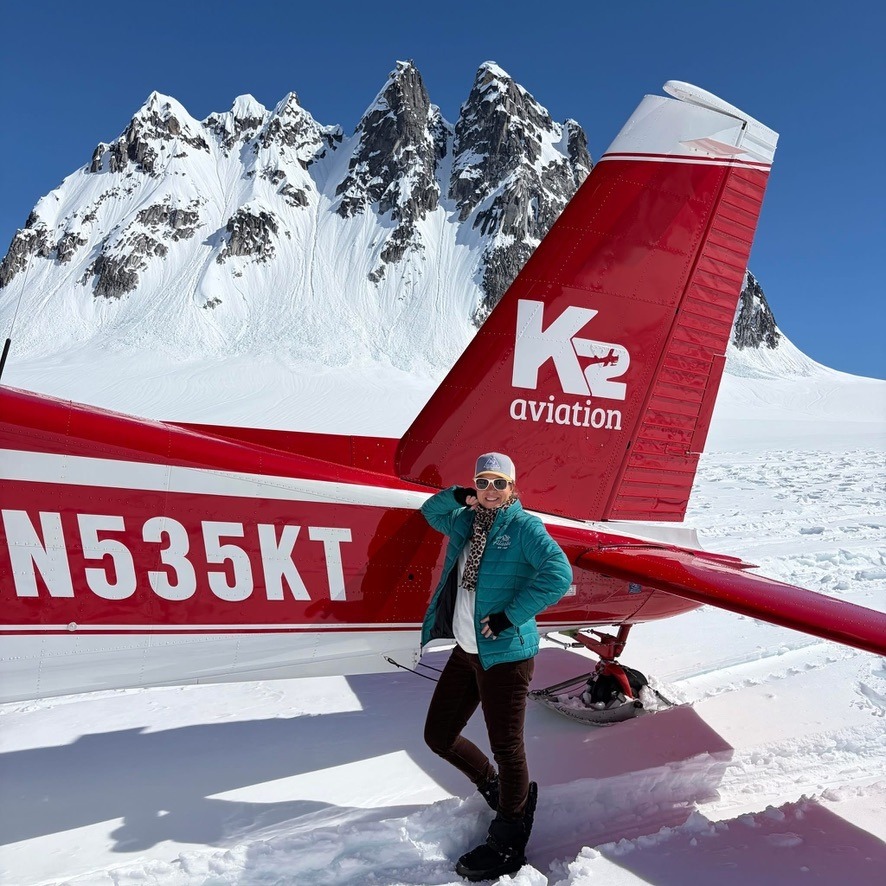
What is it really like to be a tour guide or tour director?
By Joan Keddell, President, International Tour Management Institute
Over the years, people have often asked us, “Is this a real job? Can anyone do it?” Others have returned from a tour saying, “I think I want that job!” Then come the questions: “What’s it like, really? How do I get to do what you do?”
It’s easy to understand why. You’ve just traveled through, let’s say, Alaska. Your tour director shared wonderful stories about the land and its people and seemed so comfortable moving with your group from a cruise ship to a train. Along the way, their storytelling and easy manner helped a group of strangers feel welcome, get to know one another, and share an experience you’ll remember.
And now you think, wow, they’re traveling, meeting people, and getting paid to do it. You start wondering whether this might be something you could do, too.
It is a real job. And there’s a lot happening behind that comfortable smile.
What you don’t always see
While you’re enjoying the scenery, your tour director may be thinking about the next arrival, confirming arrangements, checking the timing with the driver, or finding out whether someone’s room will be ready.
They’re also paying attention to the people around them. Has someone become unusually quiet? Does a guest need a little more time getting on and off the coach? Can everyone hear the instructions? Did the couple in the back understand where to meet?
A tour guide often focuses on a particular place or attraction, helping guests understand its stories and significance. A tour director generally travels with the group over several days, coordinating the journey and caring for the experience as a whole. Depending on the assignment, those responsibilities can overlap.
Both require preparation, good judgment, and an interest in people.
You may love a destination and know its history beautifully. Learning how to share it with a group takes practice. So does knowing when to keep talking, when to ask a question, and when to let people quietly enjoy what’s in front of them.
Your guests have stories, too
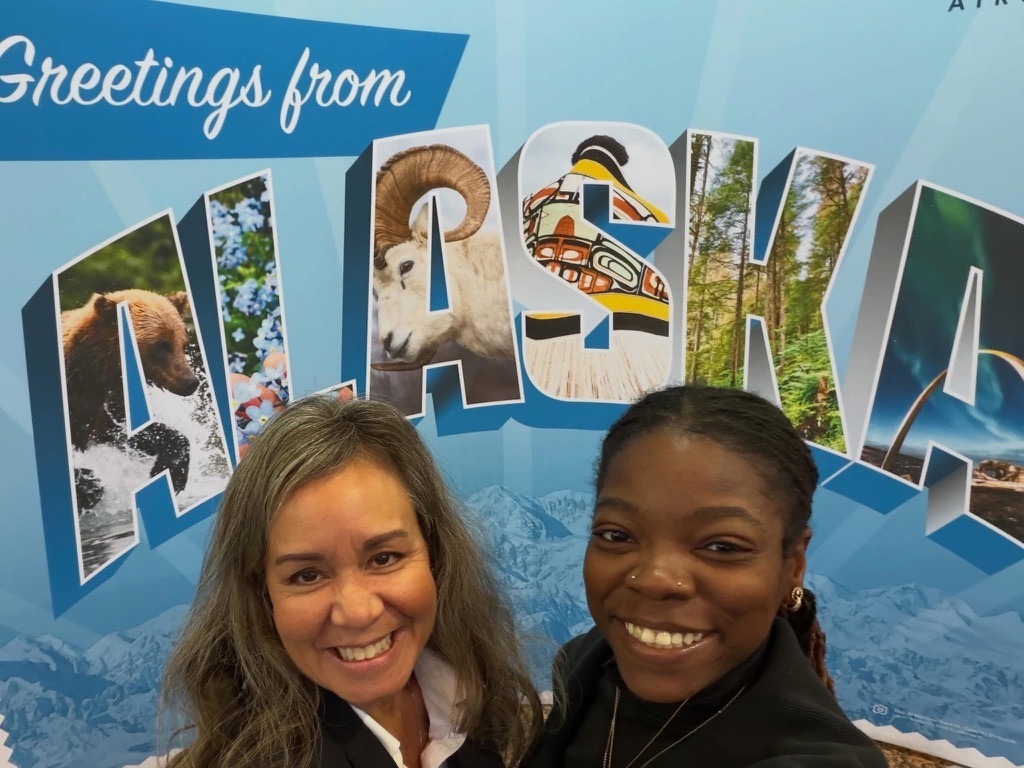
Recently, I was speaking with a potential student about an assignment our students complete: taking a local tour and observing the guide. How did they involve the guests? What worked well? What might you have done differently?
When our conversation turned to Open Mic and the Salem Witch Trials topic we were practicing, Kathy shared an experience from a tour she had taken in Salem. She had tried to share her own family connection to that history. According to what she knew of her ancestry, her family’s story reached back to the Mayflower and included an ancestor involved in the trials.
But, as she described it, the guide shut her down. She never had the opportunity to tell her story.
I wondered what the group might have learned if the guide had asked one more question.
Guests bring so much with them: family history, work experience, memories, interests, and connections you could never anticipate. There are nuggets of gold there if you take the time to listen.
Of course, a guide has a schedule to keep, and one person’s story can’t take over the tour. But acknowledging a connection can be as simple as saying, “I’d love to hear more about that when we have a moment.”
Sometimes that moment opens a conversation that becomes one of the most memorable parts of the day.
This is part of what we want our students to understand. Through Open Mic, they practice telling stories, listening to others, and responding to questions. As their confidence grows, they become more comfortable making room for their guests to contribute, too.
What happens when the plans change?
There will be days when everything comes together beautifully. There will also be traffic, rain, a delayed arrival, or a restaurant that isn’t ready for your group.
Your guests will look to you for direction.
You’ll need to find out what’s happening, work with the people who can help, and explain the next steps clearly. Sometimes you’ll need to make a decision before you have every answer.
That can feel intimidating when you’re starting out. It’s one reason preparation matters so much. Working through situations, asking questions, and practicing helps you build judgment you can draw on when the unexpected happens.
You also learn that you don’t have to solve everything alone. Your driver, local guides, hotel teams, and tour operator are all part of the experience. Knowing how to work with them is an important part of the job.
Do you have to be an outgoing person?
People sometimes tell us, “I love travel, but I’m not sure I could stand in front of a group.”
That’s a very reasonable concern. Speaking to a group may be something you haven’t done before, or something you’ve spent years avoiding.
You don’t have to arrive with a polished presentation or someone else’s personality. You do need to be willing to practice, accept feedback, and try again.
You may be the person who makes everyone laugh, or the one people turn to because you stay calm. Being curious, listening well, and noticing when someone needs help matter, too.
Your previous experience may help more than you realize. Teaching, customer service, caring for others, managing a business, or organizing community activities can all give you skills to build on.
The question is how those skills translate to the responsibilities of leading a tour—and what else you need to learn.
And yes, it is work
The days can be long. You may be away from home, on your feet for hours, and responsible for details while everyone else is on vacation.
Enjoying travel is a wonderful starting point. It also helps to enjoy helping people, preparing carefully, and following through—even when you’re tired.
There is real satisfaction in helping someone experience a place they’ve dreamed about for years. You might hear a guest say, “I never knew that,” or notice that two people who barely spoke on the first day are now making plans to travel together again.
Those moments are part of what brings people back to this work.
So, could this be your job?
You don’t have to decide from a photograph of someone holding a microphone in a beautiful destination.
Ask questions. Learn about the responsibilities. Think about the parts that interest you and the parts that would stretch you.
At ITMI, those personal conversations begin before training. We want to understand your background, your questions, and what draws you to this work. One-to-one instructor guidance continues throughout the program, alongside coursework, Open Mic storytelling practice, and career preparation.
Those who choose an On-the-Road experience can also observe the work on a live tour after completing the required preparation.
For 50 years, we’ve met people who started with that same curiosity. They came from different careers and different stages of life, each bringing something of their own.
If you’ve come home from a tour still thinking about the person who led it, it may be time to find out more about the work. We’d be happy to talk with you about your questions and how to get started.
We’d love to hear what made you think, “I want that job.”
